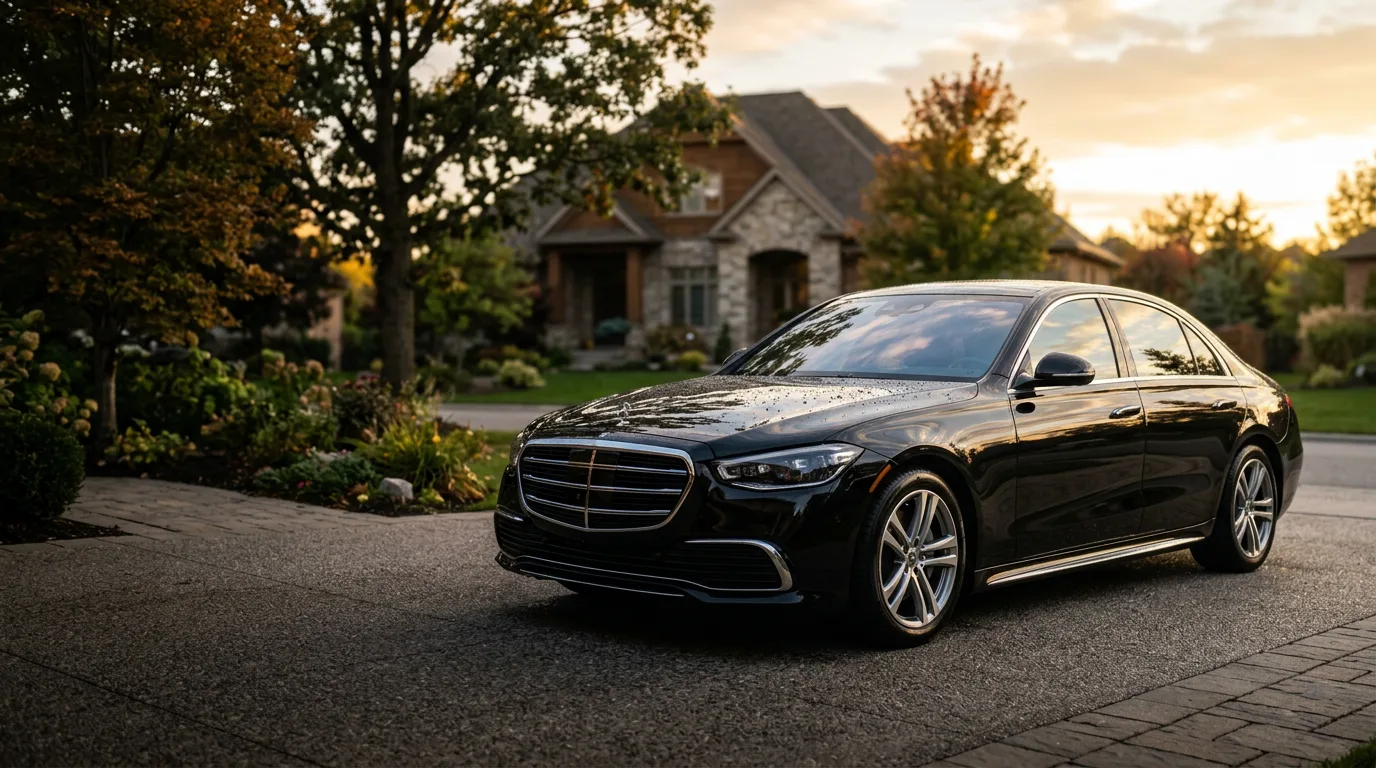
If you drive in Lutz, Tampa, or anywhere in the Bay Area, you've felt what the Florida sun, afternoon storms, salt air, and lovebug season do to a factory clear coat. The short answer: for most Florida drivers, a professionally installed ceramic coating is worth it — because the environment here is far more punishing than the climate factory paint is engineered for.
What ceramic coating actually does
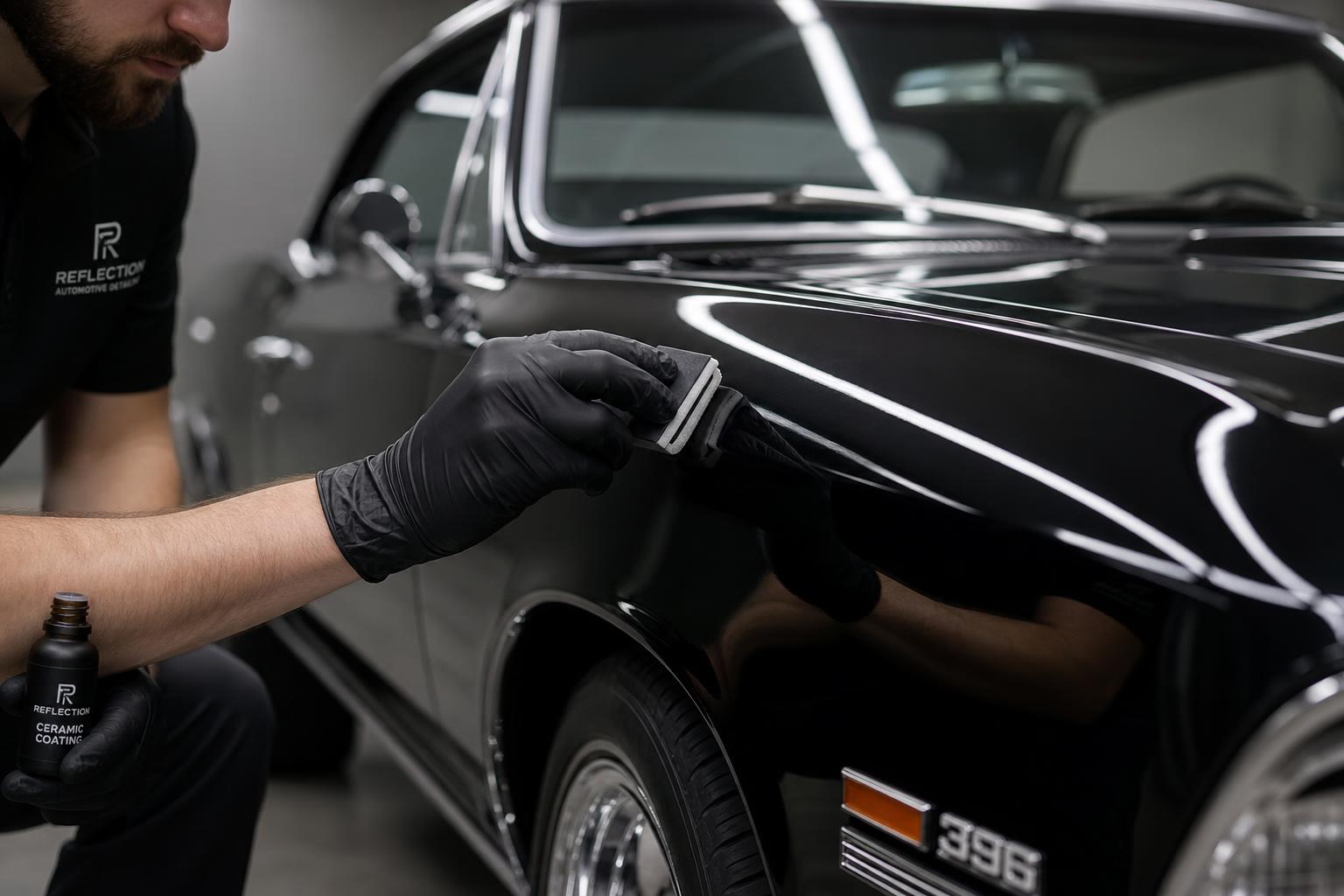
A ceramic coating is a liquid nano-coating that bonds chemically to your clear coat. Once cured, it adds a sacrificial layer that resists UV, chemicals, water spots, and light contamination. It doesn't stop rock chips — that's what paint protection film is for — but it changes how the surface behaves day-to-day.
Why it matters more in Florida
- UV load: Florida averages ~2,900 hours of sunshine a year. Coated paint holds gloss and color noticeably longer than uncoated clear coat.
- Salt air: Coastal humidity carries chloride that bonds to bare paint. A cured coating keeps residue from sticking.
- Lovebug season: The acidic remains of lovebugs etch clear coat in hours. Coated cars give you a much longer window to wipe them off cleanly.
- Storms & tree sap: Rain, pollen, and sap rinse off far easier from a hydrophobic surface.
Cost vs. longevity
A professional ceramic coating with proper prep and paint correction typically lasts 3–7+ years in Florida with annual maintenance. Spread across that lifespan, it works out to less than a monthly hand wash — while protecting resale value.
When it's not worth it
If you plan to sell the car in a few months, if it's a high-mileage beater you don't plan to keep, or if you're not willing to skip automated brush car washes, the ROI drops. In those cases a maintenance detail or hand wash program makes more sense.
How to decide
Look at three things: how long you'll keep the car, whether it lives outside, and how much you value the "always-clean" feel. If you're keeping it 2+ years and parking under Florida sun, coating almost always pays for itself.